
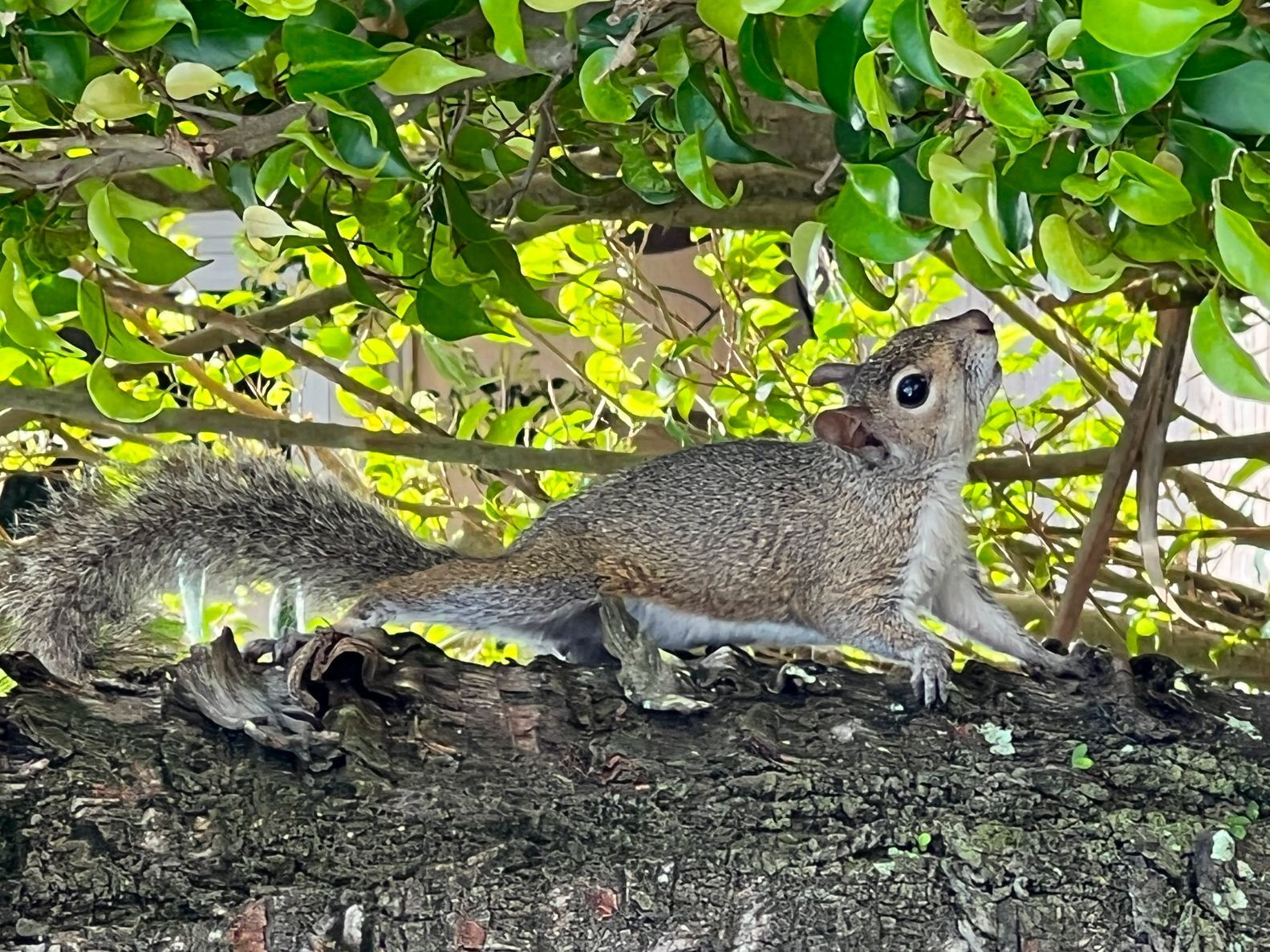
Mastering the Art of Patience in Wildlife Photography
Introduction
Wildlife photography is as much about patience as it is about technical skill. It’s easy to be inspired by breathtaking images of animals in their natural habitat, but behind every stunning shot lies hours—sometimes days—of waiting, watching, and blending into the landscape. Patience is the unsung hero of every wildlife photographer’s toolkit.
Start by researching your subject before you head out. Knowing animal routines—like feeding times or migration patterns—will increase your chances of being in the right place at the right time. Once you’re in the field, settle in quietly and resist the urge to move around too much. Wildlife can be easily startled, and sudden movements will send your subjects running.
Bring along something to make your wait comfortable: a lightweight folding chair, snacks, and weather-appropriate clothing. Use your waiting time to observe the environment, listen to the sounds, and watch how the light changes. The more patient you are, the more likely you’ll witness unique animal behaviors and interactions. Remember, some of the most magical moments in wildlife photography happen in the blink of an eye—but only to those who are willing to wait for them!
Getting the Most Out of Your Telephoto Lens
If there’s one piece of gear that can transform your wildlife photography, it’s a quality telephoto lens. These lenses allow you to capture close-up images of animals from a safe and respectful distance, preserving natural behaviors and keeping both you and your subjects safe. But using a telephoto lens effectively requires some practice and know-how.
First, stability is crucial. The longer the lens, the more susceptible you are to camera shake. Use a sturdy tripod or a monopod, and consider a remote shutter release or your camera’s timer function to avoid blur. If handholding is necessary, use image stabilization features and a fast shutter speed (at least 1/500 s or faster).
Don’t just zoom in as far as possible—think about your composition. Sometimes, including a bit of the surrounding environment adds context and tells a richer story. And always focus on the eyes; a sharp gaze will make your photo come alive. With a bit of practice, your telephoto lens will become your passport to the secret lives of wild animals.
The Golden Hour: Harnessing Natural Light for Stunning Wildlife Photos
Light is the lifeblood of photography, and in wildlife photography, the right light can make all the difference. The golden hour—the period shortly after sunrise or before sunset—offers soft, warm, and directional light that flatters your subjects and transforms ordinary scenes into something magical.
During the golden hour, sunlight is diffused and less harsh, reducing strong shadows and highlights. This gentle light brings out the color and texture in fur and feathers and creates beautiful catch lights in the eyes of animals. It also adds depth and dimension to landscapes, giving your photos a three-dimensional feel.
To make the most of the golden hour, plan your shoots. Arrive early, set up your gear, and be ready to adapt quickly—the best light doesn’t last long! Experiment with shooting both towards and away from the sun for different effects. Backlighting can create dramatic silhouettes and rim lighting, while front light will highlight details and color. Learning to work with natural light will elevate your wildlife photography and help you create images that truly stand out.
Respecting Wildlife: The Ethical Side of Nature Photography
As wildlife photographers, we have a unique privilege—and responsibility—to document the natural world without causing harm. The best wildlife images not only showcase the beauty of animals but also respect their well-being and habitats. Practicing ethical photography ensures the safety of both your subjects and yourself and contributes to the conservation of the natural world.
Always keep a respectful distance from wildlife. Use a telephoto lens to avoid approaching too closely, and never interfere with natural behaviors. Avoid loud noises and sudden movements, and never chase or corner animals for a shot. Be especially cautious during sensitive times, such as nesting or breeding seasons.
Stick to marked trails when in protected areas, and be mindful of fragile habitats like wetlands or nesting grounds. Leave no trace: pack out everything you bring in, and don’t disturb plants or rocks. By prioritizing ethics over the “perfect” shot, you’ll not only capture more authentic images but also help ensure that wildlife and wild places remain for future generations to enjoy. Remember: the best wildlife photography comes from respect, patience, and a genuine love for the natural world.
